
Snow Emergency Hub
The City of Grand Island Snow Emergency Information Hub serves as your one-stop shop for everything you need to know before, during and after a declared snow emergency in Grand Island and Hall County. Here you’ll find real-time updates, parking restrictions, snow removal routes and priorities, safety tips, city service impacts and important reminders to help you stay informed and prepared. The page is designed to make it easy for residents and businesses to quickly access accurate, up-to-date information so everyone can travel safely, follow local regulations and support efficient snow removal efforts across the community. If you have any questions or concern regarding an active snow emergency, you're encouraged to call (308) 385-5322.
Grand Island Snow Emergency Status
Updated 1/21/2026 at 2 p.m.
No Active Snow Alert/Emergency and Snow Emergency Route Parking Ban at this time.
Hall County Snow Emergency Status
Updated 1/21/2026 at 2 p.m.
No Active Snow Alert/Emergency at this time.
Snow Emergency Routes
During the hours a Snow Alert/ Emergency is in effect, no vehicles may be parked on snow emergency routes (City Code Section 22-113).
These routes include arterial and collector streets and may be identified by the red, white and blue snow emergency signs posted.
The Grand Island Police Department will begin checking for illegally parked vehicles on the snow emergency routes when a snow emergency takes effect until the snow emergency expires. Parked and/or abandoned vehicles on emergency routes are subject to being towed. Motorists are encouraged to limit their travels until the inclement weather subsides and the streets are cleared. A map of Snow Emergency Routes can be found HERE.
An Interlocal Agreement for snow removal between the City of Grand Island and Hall County was approved in 2017 with an amendment to the agreement approved in 2020. Some sections of Grand Island's Snow Emergency Routes and local routes, map below, will be treated per Hall County's snow plan.
The Snow Removal Agreement between the city and county can be found HERE.
A map of snow removal responsibilities can be found HERE.
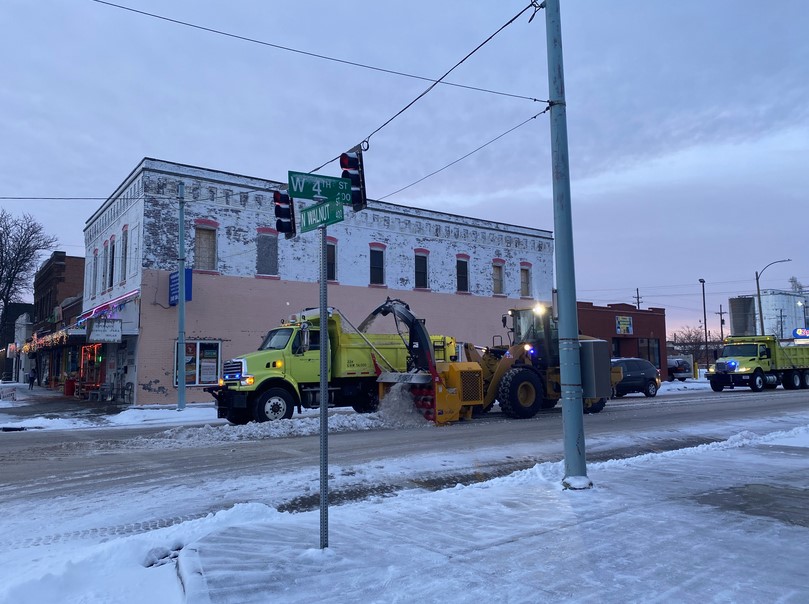
Snow Information
Weather conditions can change quickly, so it’s important to stay informed during winter events. Snow Emergency status updates are shared through local radio and TV stations, the newspaper, the City of Grand Island website, Facebook and X. Snow Emergency Route maps are also available on the City’s website to help residents plan ahead and follow parking and travel restrictions.
Sidewalks
Snow to be cleared within 24 hours
Snow plows will likely plow snow from the street onto sidewalks so, if possible, sidewalks should be cleared after the plows have passed.
Driveways
Snow from driveways is not be placed or shoveled into the street.
Snow plows will likely plow snow from the street into driveways so it is ideal to wait for the snow plows to pass before working on clearing the driveway.
Shoveling the driveway in this manner can reduce the amount of snow that may end up within the driveway opening.
Mailboxes
Remove enough snow to allow mail truck drive-up delivery.
Ensure mailbox position meets the United States Postal Service requirements (typically 6" to 8" behind the face of the curb or edge of the pavement). The City is not responsible for damage to mailboxes located in the City Right-of-Way.
Fire Hydrants
Clear snow so fire hydrants are visible and accessible.
Snow can not be blown or plowed onto street
Blowing or plowing snow into a city street is a hazard to motorists and a violation of Grand Island’s City Code.
Off-Street Parking
Parking on the street in residential areas is rarely banned but voluntarily using off-street parking helps the Streets Division clear streets faster and better.
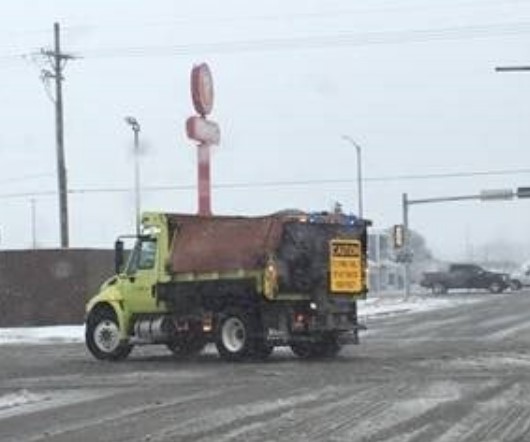
Winter Weather Awareness
Grand Island and Hall County are home to a wide variety of severe weather hazards which can include severe summer storms bringing wind, hail, heavy rain and tornadoes to winter blizzards and ice storms. The most effective way to learn of severe weather is to monitor local media and especially the NOAA All-Hazards Weather Radio. Blizzards and ice storms bring particularly dangerous conditions to our area in the form of cold, wind, snow and ice. Winter can be an underestimated hazard and simple lapses in planning or judgment can bring about startling results. Plan and prepare for every winter hazard by taking simple steps.
Wind
Strong winter storms can produce heavy winds that create blizzard conditions with blowing snow, blinding conditions, wind-driven snow drifts, and dangerous wind chill temperatures. Wind damages in severe winter storms can damage buildings, outbuildings, trees and utility poles. Damage to utility services can interrupt the delivery of electricity and subject residents to cold temperatures inside their own home.
Cold
Extremely cold temperatures are particularly dangerous to the very young and elderly. Exposure to cold temperatures can cause frostbite and hypothermia which can easily prove to be fatal. Extreme cold temperatures can affect a buildings heating and plumbing, cause pipes to burst and flood homes and basements.
Snow
Strong winter storms can produce snow hazards either by significant accumulation amounts or simply the blinding conditions of wind-driven snow. Heavy accumulations of snow can impact travel and transportation, disrupt lines of fuels and supplies, and will slow down emergency response to any emergency in the area. In some cases, heavy snowfall can collapse roofs, leave remote residents stranded for days or weeks, and kill animals, livestock and vegetation.
Ice
Similar to heavy snow, large accumulations of ice can topple trees, utility lines, and affect transportation routes. Recent ice storms in Central Nebraska destroyed miles of power lines leaving some areas without power for weeks. Some areas, like Grand Island, had power restored relatively swiftly, but vital roadways were cut off by downed power lines and restricted travel.
Winter Travel
Anytime you travel during the winter months, be particularly mindful of weather forecasts along your entire route. Weather can change drastically from one area to another due to local climate, elevation, storm direction and/or speed, and prevailing weather patterns. Good conditions locally may not continue when traveling for any distance.
If severe winter weather is forecast, stay home or delay until the weather clears. Always keep an emergency vehicle kit with jumper cables, first aid supplies, food, water, tools, blankets and other items in case of emergency. Prudent travel planning will make for a more successful and enjoyable trip.
If you are caught in severe winter weather and cannot find shelter:
Stay with your vehicle. Do not venture into the cold without a clear and visible destination.
Call 9-1-1 and report your location to authorities.
Open the hood or place a flag on the antenna to be more visible.
Run the car's heater occasionally to maintain temperatures.
Clear the exhaust pipe occasionally of snow or ice to prevent gases backing up in the vehicle.
A small candle in your emergency kit can provide a surprising amount of warmth.
Winter Weather Resources
The National Weather Service provides comprehensive information and statistics on Severe Winter Weather that can assist you in your own winter weather plan.